English| EUR
Suggested for you
More currencies
Choose a language
Positioned on the Altiplano Cundiboyacense just north of Bogota, the sandstone cliffs of Suesca span nearly two miles along the Bogota River. This suesca colombia rock climbing guide breaks down route access, sector layouts, and essential logistics for your trip.
Quick answer
The main sandstone formations for suesca colombia rock climbing are accessible 24 hours a day, seven days a week. Entry to the primary cliffs along Via Cacicazgo is completely free (0 COP), though private reserves and guided instruction require payment. For optimal conditions, arrive between 07:00 and 09:00 before midday heat and weekend crowds build.
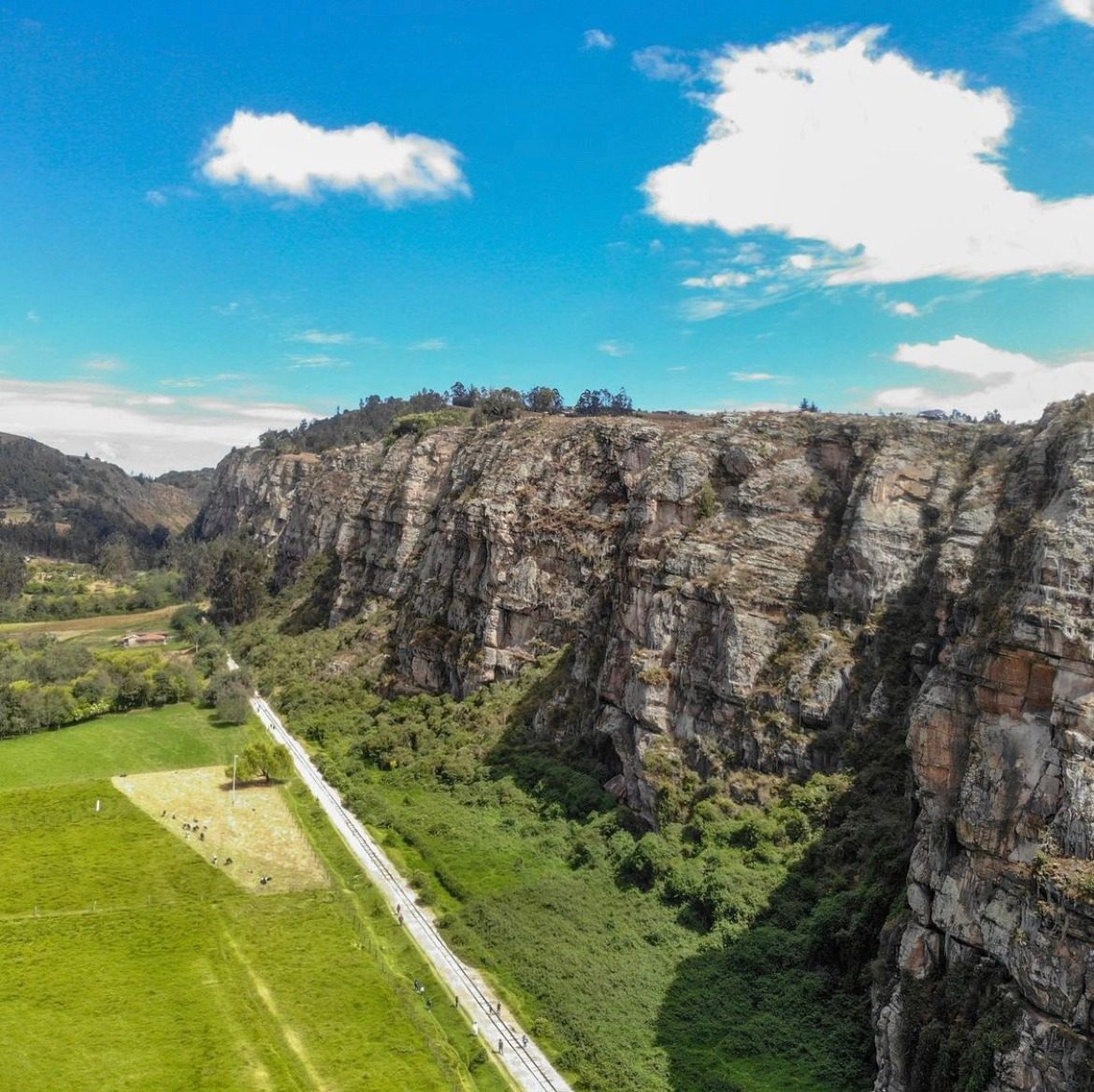
Stretching approximately two miles along the eastern bank of the Bogota River, Las Rocas de Suesca stands as the historical birthplace of mountaineering and vertical ascent in the country. The prominent sandstone cliffs rise sharply from the Altiplano Cundiboyacense, reaching heights of up to 130 meters. What began in the late 1930s with local pioneers scaling the walls using rudimentary ropes and pitons has evolved into a highly developed crag boasting over 400 established routes. Anyone organizing a suesca colombia rock climbing itinerary will encounter an environment where decades of alpine history intersect with modern sport development. The physical layout of the area is distinct, defined largely by the inactive railway tracks that run parallel to the rock face. This corridor acts as the primary thoroughfare for climbers, hikers, and locals, linking various sectors from the introductory slabs to steep, overhanging test-pieces. Climbers navigate a diverse range of styles here, including single-pitch sport climbing, multi-pitch traditional routes, and complex crack systems that demand specialized gear placement. Because the stone is highly featured sandstone, friction and technique often dictate success more than pure physical strength. The altitude also plays a significant role in performance; situated at nearly 2,600 meters above sea level, the thin air can accelerate fatigue for visiting climbers not yet acclimatized to the Andean elevation. Beyond the physical routes, the village itself functions as a dedicated hub for outdoor recreation. Equipment rental shops, guide services, and rural accommodations line the approach roads, ensuring visitors have access to crash pads, quickdraws, and local beta. While the sheer volume of routes disperses traffic across the escarpment during weekdays, the density of weekend visitors concentrated in the lower grades requires strategic route selection. Understanding the distinct sectors, the historical grading systems unique to this valley, and the varying sun exposure across the crag is essential for a productive visit. Comprehensive preparation transforms a casual day trip into a successful suesca colombia rock climbing experience, allowing climbers to fully engage with the premier vertical playground of the high Andes.
“The inactive railway tracks running parallel to the escarpment serve as the main thoroughfare, linking introductory slabs to complex multi-pitch traditional routes.”
The most effective time to climb in Suesca is between 07:00 and 09:00 to ensure stable weather conditions and fewer crowds at popular routes. Planning your visit during the drier months maximizes time on the rock while minimizing exposure to rain.
—
Climbing on weekdays provides the most solitude and fastest access to popular sectors.
Dry with average 14°C to 18°C
These months offer the most consistent dry weather for outdoor activities.
Variable with frequent rainfall
These transition months experience higher precipitation which may limit climbing days.
Cool and windy with 12°C to 16°C
Conditions are generally stable but require layers for colder temperatures.
Verdict: The best time to climb is weekday mornings between 07:00 and 09:00 during the drier months of December through March.
The rock climbing formations in Suesca are accessible to visitors at all hours throughout the week. This 24/7 availability allows climbers to plan their ascents according to their own schedule.
The Suesca rock climbing area is located along Via Cacicazgo in the Cundinamarca department, approximately 60 kilometers northeast of Bogotá. The most practical approach for visitors is via inter-municipal bus or private vehicle.
Depart from Terminal del Norte in Bogotá towards Suesca
Take Autopista Norte (Route 45) heading north towards Tunja
Walk from Suesca town center toward the climbing sectors via Via Cacicazgo
For the best experience, plan your travel to arrive within the 07:00–09:00 window. This arrival time helps you avoid crowds and secures favorable conditions at the crags.
Suesca's rock faces are shared by climbers of all levels and rely on minimal infrastructure. Respectful conduct protects both the natural environment and the community that maintains access.
Plan ahead to ensure a safe and efficient climbing day at Suesca's multi-pitch sport and traditional routes.
Everything you need to know about suesca colombia rock climbing
The rock formations themselves have an entrance fee of 0 COP. Please note that private reserves or specific guided tours may charge their own fees for access or services.
To avoid crowds and enjoy the best weather, the recommended arrival window is between 07:00 and 09:00. The site remains accessible throughout the week, as it is open from 00:00 to 23:59 daily.
The address for these sandstone cliffs is Via Cacicazgo, Suesca, Cundinamarca, Colombia. This location serves as the primary hub for outdoor enthusiasts visiting the region.
While independent climbing is common for experienced individuals, hiring a professional for a suesca colombia rock climbing tour is recommended for safety and logistics. Local guides possess knowledge of the routes and provide necessary equipment.
The area offers a variety of difficulty levels, making it a popular destination for those new to the sport. Beginners should focus on routes equipped with top-rope anchors to ensure a safe experience.
Safety equipment including a harness, climbing shoes, a helmet, and a belay device are standard for all climbers. You should also bring a rope and quickdraws if you plan on lead climbing on the sandstone walls.